Now open to all photographers

A thoughtfulsecond setof eyes.

Honest, specific feedback for photographers who want to understand what is working, what is getting in the way and what, if anything, to do next.

Street and documentary, portraits, landscape, travel, wildlife or fine art. Any kind of photograph you care about.

No scores. No automatic rules. The critique engine is built on my teaching, my books and many hours of my recorded critiques, and it asks the questions I ask. I don’t personally review each automated critique. The options where you work with me directly are clearly marked.Steve Simon
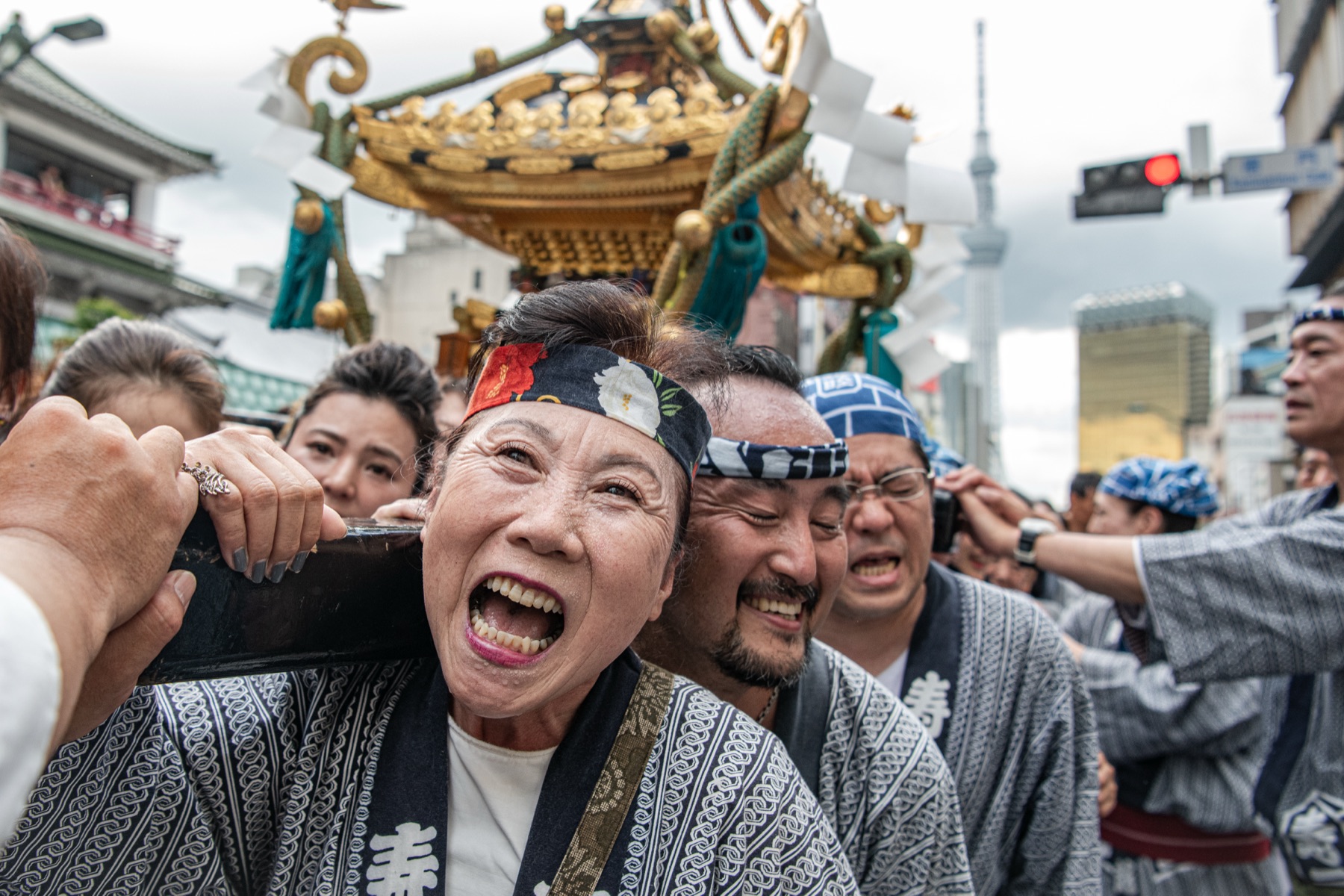
Festival participants carrying an ornate portable shrine through a crowded street
Photograph © Steve Simon
The approach

Look closely. Say what matters.

I believe critique is essential to a photographer’s evolution. After many years of teaching, I know we are not always the best editors of our own work. Sometimes we are too close to it, carrying the memory of what happened and what we hoped the photograph would become. At other times we photograph almost unconsciously and miss something in the frame that another person sees immediately.

A useful critique begins with the photograph itself, not a formula. It can reveal a strength we’ve overlooked, a habit we keep repeating, or a small detail that changes how we understand the picture. Sometimes that recognition feels like an epiphany. More often, it is a small but useful observation that we can put into practice and carry into future work.

Great photographs have more in common than what separates them, whatever the genre. My own passions have led me most often toward travel, documentary photography and portraiture, but the qualities that make a photograph work do not belong to any one kind of picture. Light, timing, gesture, color, design and surprise can carry a landscape or a still life just as surely.

That is why both I and the critique engine can respond to work across genres with the same care. The critique looks closely at the photograph in front of it, not at a checklist of what that genre is supposed to be.

About Steve

“All I ever wanted to do was take pictures.”

I’m a New York–based Canadian-American photographer, a teacher, and the author of five photography books, including The Passionate Photographer, which Amazon named one of its top ten art and photography books. I have taught at the International Center of Photography and the School of Visual Arts, and I’ve lectured and led workshops at universities and photography events around the world.

Assignments have taken me to more than 40 countries, and my photographs have appeared in The New York Times Magazine, Life, Time, Le Monde, Harper’s, Mother Jones and many others. I was named Canadian News Photographer of the Year, and Visa pour l’Image in Perpignan has shown my work three times. My photographs are held in the collections of the George Eastman Museum, the Museum of Fine Arts, Houston, and the 9/11 Memorial Museum, which acquired a complete set of prints from Empty Sky, my project on the aftermath of September 11.

Everything I’ve learned about looking at photographs went into the critique engine, and it’s there for any photographer who wants it.

Steve Simon
01

The photograph comes first

Before technique or convention, the critique follows the eye: where it goes, what draws it there, and whether that helps the picture say what you want it to say. You’re responsible for everything in the frame, so everything in the frame gets looked at.

02

Specific, not generic

Pats on the back feel good, but they are far less useful than constructive criticism. “Nice light” doesn’t help you. Every observation points to something visible and located in your frame, so you can see exactly what prompted it.

03

Honest, and on your side

I know it’s a brave thing to put your work out there. Every critique is direct and fully honest: no hand-holding, no false praise, and no cheap shots either. It says what is working, what isn’t and why, the way I would in a workshop.

04

No forced criticism

Sometimes the picture just works. When it does, the critique explains what is carrying it, so you can recognize what is working the next time, instead of inventing a problem to solve.

05

Guides are not rules

I call it the guide of thirds, not the rule of thirds. A centered subject, deep shadow, blur or an unconventional crop may be exactly right. The critique responds to the photograph you made, not a checklist of what photographs are supposed to look like.

06

Your photograph, your decision

Art is not a democracy. A critique is an informed opinion, not a verdict. No single opinion should be taken as gospel, this one included. Take what helps and leave the rest. You have the final say.

The written critique

One attentive path through the frame.

We’re often just too close to our own photographs. The memory of being there sticks to the image, and it gets hard to see what is actually in the frame. The critique’s first look has no such memory. It begins with the picture itself and concentrates on the few things that carry the most weight instead of dumping a checklist on you.

01

First response

What registers before the story is known: what pulls the eye, what surprises and what leaves a question. I trust my gut when I edit my own work, and the critique begins with that same first response.

02

Where the eye goes

I believe every photograph has magnetic qualities. Brightness, sharpness, color and gesture can pull the eye, but their weight changes from picture to picture. The critique shows you where that pull is strongest in your frame, what helps carry the photograph and what, if anything, hijacks attention away from it.

03

The real tradeoff

Pictures do not need to be perfect to work. A technically excellent image can be perfectly boring, and a little blur can be exactly what gives a picture its energy. The critique names the strongest quality in your photograph and the one limitation that matters, if there is one.

04

Next decision

Keep it, compare it with the frame beside it, crop to squeeze the most from it, finish it in post, try something different next time out, or leave it alone. The critique gives you its reasoning. You’re the artist, and the final say is yours.

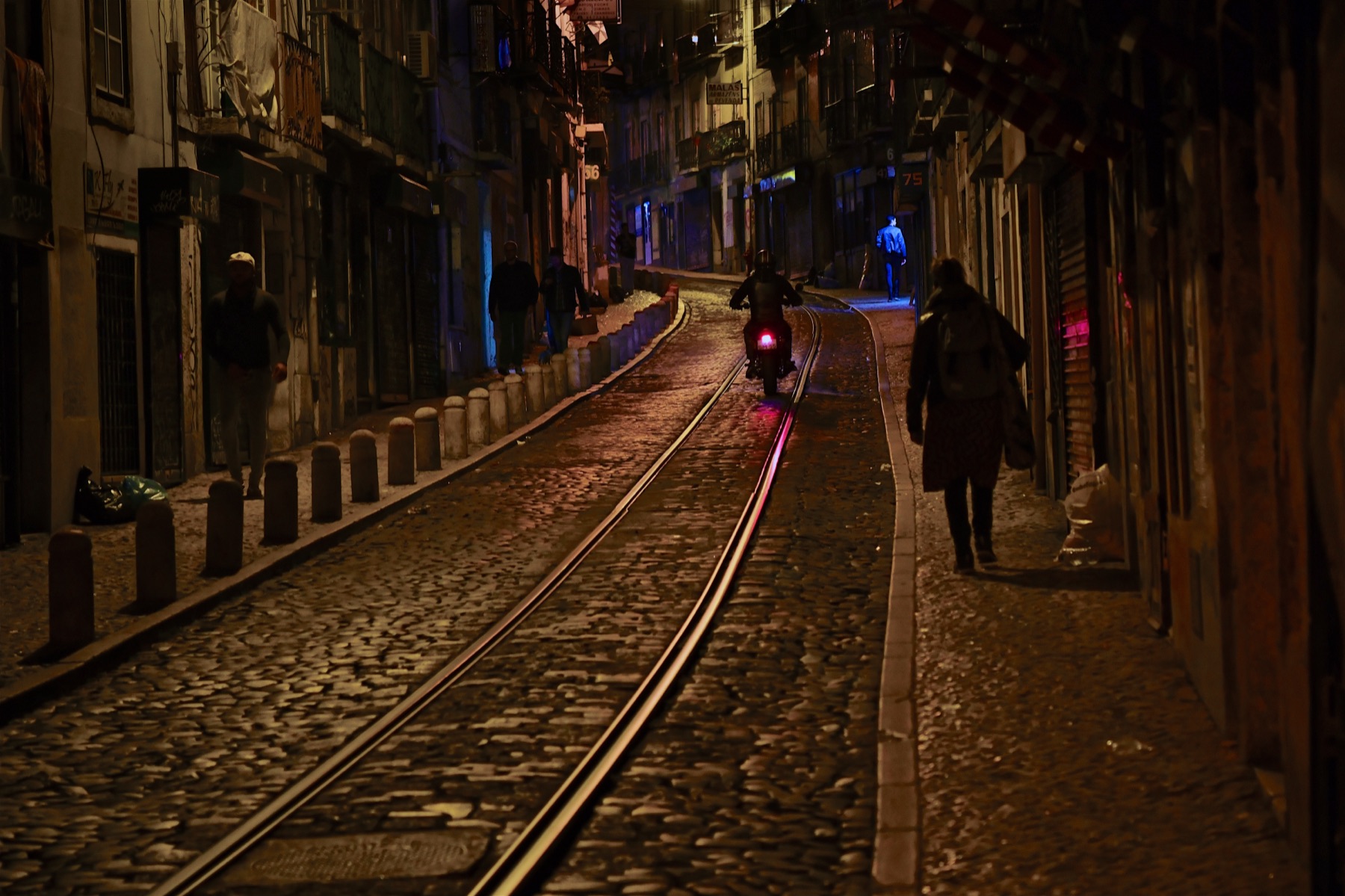
A motorbike and scattered figures on a dark cobbled street crossed by tram rails and colored light
Why critique matters

Sometimes another pair of eyes helps us see the photograph we already made.

Photograph © Steve Simon
From the beta

In their words.

From photographers who tried the critiques during the free beta.

“I tried your new Critique tool and was very impressed by what it said. I can fully appreciate the comments and suggestions and, after making some adjustments to the original, have what is clearly a more powerful image.”

Geoff Baylis

“The critiques sound like Steve. … When I incorporated specific suggestions the critique made, I felt like the result was a stronger image. … This is a tool I would return to.”

Michael Liberman

“I thought the critique was very focused on the specific photos. It does not feel ‘canned’ or off the shelf. I can sense Steve’s voice.”

Thomas Wilson

“The critique definitely analyzed the photos in more depth than my eye and thoughts when I took the images. I thought it accurate, helpful and clear in its views.”

Norm Saari

“I found the photo critiques to be very welcome and surprisingly detailed — they seemed like the art lessons I never had.”

Marian Goldsmith

“The critiques were excellent and made me feel like I was right back in an after-lunch workshop.”

Lea Gallardo
A sample critique of the photograph above

Mood, color and what is still missing.

The opening of an unedited critique from the critique engine.

This Lisbon street at night is carried by its light, warm lamplight on wet cobbles broken by one red glow and one blue figure. The rails pull you up the hill, and the people are spread through the frame with room around each of them. What it adds up to is a picture of a place and an hour, more than of anyone in it.

This is close, a very good night picture a shade short of strong. The light, the rails and the restraint of the palette do the heavy lifting, and the frame organizes a lot without feeling busy. What costs it is that every person is small and dark, nobody steps into the colored light that makes the picture, and the largest figure sinks into the shutters behind her.
Read the full critique, and three more
Ways to work with me

Start with one photograph, compare a sequence, or bring me your life’s work.

The written critique and The Strongest Frame are built on my teaching and arrive by email, usually within minutes for one photograph and within about 20 minutes for five. Everything else is my own eyes on your photographs, and my time is limited.

Not sure where to start? Try a written critique on one picture. If several related frames feel close, let the engine help you choose. If you want me to look at a body of work, choose a recorded review or a Zoom. If you have years of photographs and need to find the best of them, that’s the portfolio edit.

Written

Written critique

$9
Your first one is free

One photograph, considered through the critique approach I have taught for years. Built on my teaching and delivered by the critique engine.

  • Specific to what is in your frame
  • Your choice of delivery
  • What is carrying the picture, and what is in its way
Your first single critique is free once you confirm your email address. Generated by the critique engine and not personally reviewed by Steve.
Credits

5 critique credits

$35
$7 a critique

Five credits, ready when you are. Use them one photograph at a time, five at once, or two for a Strongest Frame.

  • Save $10 on single critiques
  • Credits don’t expire
  • Tied to your email address, with no account or password
Five photographs at once? Choose Five photographs on the order form and use 5 credits. Each photograph gets its own critique.
Selection

The Strongest Frame

$15
or 2 credits, as little as $10 with the 25-pack

Several frames from the same moment, and they all feel close. We’re often too close to our own photographs to see which one is strongest. Upload two to five. The critique engine chooses the one that carries the most and explains the small differences that decided it.

  • The strongest frame clearly identified
  • The closest alternative, and what separates them
  • One editing lesson for the next sequence
When the difference is genuinely too close, the response says so rather than force a winner. Generated by the critique engine and not personally reviewed by Steve.
With Steve

Recorded review

$275

I talk through up to 12 of your photographs in a screen recording of about 30 minutes, enough work for me to begin seeing the patterns across your pictures.

  • What is working, what is not, and why
  • No scheduling required
  • Watch it again at your own pace
Delivery timing confirmed before payment. Limited availability.
With Steve

Live Zoom

$395

A private 45-minute conversation about up to 12 photographs you submit in advance. You can ask me why, which is often the most useful question in a critique.

  • Your work considered before we meet
  • Your questions answered in real time
  • Clear next steps
Scheduled after acceptance. Limited availability.
Portfolio edit

Your best 50, from up to 250

$895

A retrospective edit of your work or one major project. Send me up to 250 photographs and I will choose the 50 that best represent your work.

  • Your best 50, chosen by me
  • A recorded walkthrough of the edit and why these photographs made the cut
Add a second, tighter edit to 25 for $200. You receive both edits. Timing confirmed before payment. By request.
Portfolio edit

Your best 50, from up to 1,000

$1,495

The same process across a larger body of work, perhaps even a photographic life. There are often overlooked photographs sitting in earlier work that deserve to be seen again.

  • Your best 50, chosen by me
  • A recorded walkthrough of the edit and why these photographs made the cut
Add a second, tighter edit to 25 for $200. You receive both edits. Timing confirmed before payment. By request.
By application

Mentorship

From $2,400

A personal collaboration over three or six months. We begin with a Zoom to look at your work and set the direction. Then each month we meet again, I record a review of your new photographs, and I give you an assignment based on what your pictures need next.

  • An opening Zoom, then a 45-minute Zoom and a recorded review every month
  • A monthly assignment, and email access to me between sessions
  • Up to five written critiques from the critique engine each week
  • Six months also opens with a “Your best 50” edit and closes with a finished portfolio or project edit
Three months · $2,400  |  Six months · $4,200

The six-month Zooms, recorded reviews and opening “Your best 50” edit would cost at least $5,310 if booked separately, before the closing edit.

Four places at a time. By application.
By application

Your book: a custom-designed photobook

$3,500

Your photographs, edited, sequenced and designed into a book that feels like your own. Starting with up to 1,000 of your strongest images, we work together in private Zoom sessions to find the photographs that belong, shape the sequence and design the book. It might be a retrospective of your work so far, a long-term project or a focused portfolio.

  • Review and collaborative culling of up to 1,000 photographs
  • Editing, sequencing and book design by me in Lightroom Classic’s Book Module
  • A polished artist statement, introduction or afterword
  • Your finished Lightroom catalog and a high-resolution PDF to share anywhere
  • A Photobook Resource Guide with more than 60 links to printers, publishers, stores and fairs
Allow six weeks  |  Private Zoom sessions

The $3,500 covers editing, sequencing and design. Printed copies are ordered through Blurb at cost, and we confirm the format and printing cost with you first.

Projects are subject to acceptance. By application.
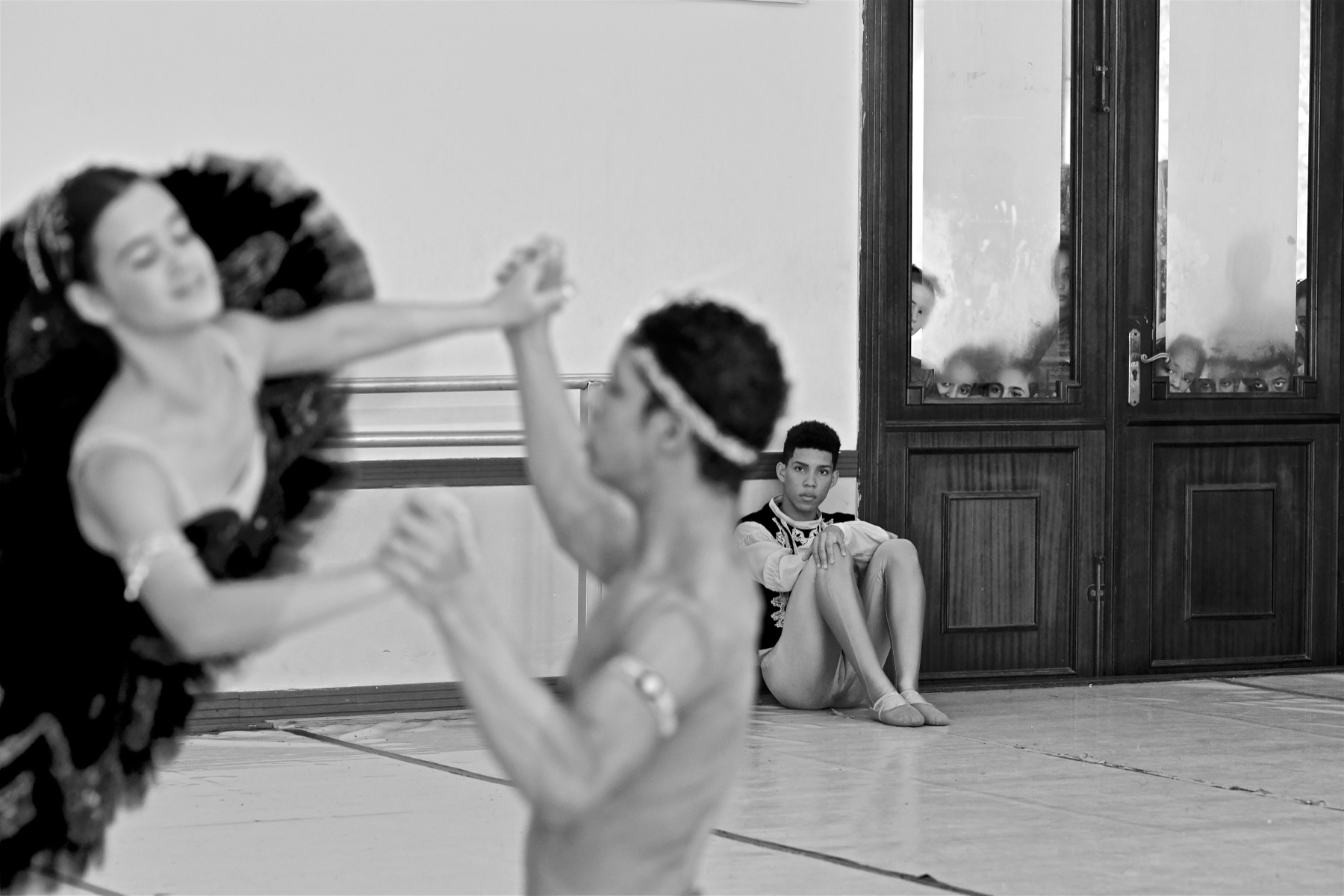
Dancers moving in a ballet studio while children peer through the window in the door
Photograph © Steve Simon
A way of seeing
What holds your attention isn’t always the obvious thing in the frame.

The dancers are the obvious subject here, but my attention went past them to the little faces peeking through the window in the door. The critique looks for these relationships, tensions and small details in your photograph because they are what give it its life.

See a sample critique →

The BoundaryThe ethics of reality-based photography.

Strengthen the photograph without changing the facts.

A careful reading comes first. Any suggested edit has to remain faithful to the moment.

I come from documentary photography and journalism, where the credibility of a picture matters. Art does not have to follow the ethics of journalism. Anything can go. But this service is for reality-based work, and the line I follow is simple: strengthen what the camera saw without changing what was there.

I also come from the darkroom, where dodging and burning made good photographs better. Cropping, lightening, darkening and restrained work on color bring out what is already in the picture. They do not change the facts.

If you change what was in front of the camera in one or two photographs without declaring it, and those changes are discovered, the doubt can spread across an entire archive. The question is no longer only whether those pictures are real. It is whether any of them are.

There is an irony in using an AI critique engine to make this point. AI has made it harder to trust what we see, but it has also created a real thirst for pictures people can trust. Trust and reputation take years to build. They are worth protecting.

What the critique may suggest

A crop, restrained work on tone or color, a conversion to black and white, choosing a stronger frame from related photographs you submitted, or a way of approaching a similar situation next time.

What the critique will not suggest

Removing people, replacing skies, moving objects, inventing pixels or otherwise altering what was there. Wholly AI-generated images are outside this service.